
AI Agent vs Traditional CRM: What Your Business Needs in 2026
TL;DR
AI agent vs traditional CRM: the CRM stores your customers' data; the AI agent also answers them, replies, and moves them through the funnel. The CRM is a file that depends on you answering, following up, and remembering; the agent acts when you can't. For a small business losing customers because it can't get to everything, the one that acts almost always wins over the one that only files.
In the AI agent vs traditional CRM matchup, the CRM wins when all you need is to organize data; the AI agent wins when what you need is someone to answer, follow up, and remember for you. That's the whole difference between a CRM and an AI agent, and it's why, for a small business in 2026, the second one almost always wins: not because it files things better, but because it does something a CRM, by definition, doesn't. A CRM is a very good memory. An AI agent is a very good memory that also picks up the phone. And customers aren't lost for lack of memory — they're lost because no one answered in time.
What a traditional CRM is, and what an AI agent is
To cut through the marketing, let's separate what each tool actually is.
A traditional CRM is a smart file. It stores who contacted you, on which channel, what they wanted, and where they are in the process. It shows you a board or a list, lets you jot down notes, and reminds you who to follow up with. It's enormously useful: it brings order to the chaos. But everything it does revolves around one word: store. The action — answering the call, sending the message, doing the follow-up — is still yours. The CRM reminds you that you need to act; it doesn't act.
An AI agent starts from a different philosophy: act first, file along the way. It answers the call in about a second and the message right away, holds the conversation, qualifies the customer, books the appointment, and, as it does, stores everything on its own board. The file doesn't disappear — it's still there, just as organized — but it stops being the center. The center is the response.
This distinction matters because it changes who has to be present for the system to work. With a CRM, if you're not there, nothing happens: the data waits. With an agent, if you're not there, the customer still gets an answer. For a business where one person is sales, front desk, and technician all at once, that difference is literally the difference between winning the customer or losing them.
Where a traditional CRM leaves you on your own
A classic CRM does its job well. The problem is what its job doesn't include — which is exactly where small businesses lose money.
Think about the typical path of a lead that comes in on a Tuesday at two in the afternoon, while you're with a customer:
- Answer. The CRM logs that an inquiry came in, but it doesn't answer. The customer waits. And according to Lead Connect, 78% of customers buy from the first one to respond, not from whoever had it best filed away.
- Follow up. The CRM reminds you to call about that quote you sent. But reminding you isn't doing it. If you're slammed that week, the reminder piles up with twenty others and, in the end, you call no one.
- Remind about the appointment. The CRM has the appointment saved, but it doesn't send the WhatsApp reminder the day before. You have to set that up yourself, or it doesn't go out — and the no-show takes care of itself.
None of those three things is a CRM failure: they simply aren't its job. The CRM was designed as a sales database for teams that did have salespeople dedicated to answering, following up, and reminding. The tool filed; the people acted. The problem is that a small business doesn't have that sales team behind it. It has one or two people doing everything. And for those people, a beautifully organized file doesn't return the call they couldn't pick up.
Myth
With a CRM, my follow-up is already covered.
Reality
You have your follow-up noted down, which isn't the same thing. The CRM tells you who to follow up with; actually following up still depends on you finding the time. According to Marketing Donut, 80% of sales need 5 follow-ups, but 92% of people give up before that.
Myth
If I enter the data properly, the CRM does the work.
Reality
The CRM organizes the data you enter and the actions you take. If you don't log the missed call because you were on the job, the CRM doesn't know it happened. It's only as good as you are disciplined about feeding it.
Myth
Adding AI just complicates things; my CRM is plenty.
Reality
An AI agent with a CRM inside is fewer tools, not more. Instead of a file you have to keep feeding, you get one that feeds itself from every call and message it handles.
What an AI agent with a built-in CRM adds
Here's the point that gets lost in the "this vs that": an AI agent with a built-in CRM isn't the opposite of a CRM — it's a CRM that also acts. TotemAI carries the same lead board you've always known — Kanban-style, with columns for new, contacted, quote, appointment, customer — and adds the three things a classic CRM was missing.



It answers, it doesn't just record. It picks up the phone in ~1 second and replies on WhatsApp, Instagram, Messenger, SMS, and web chat right away, 24/7. The AI takes the first pass, qualifies, and books. And the moment the customer asks or things get complicated, a person — you or your team — takes over the conversation in one click, with all the context right there: the warm handoff. You don't lose the human touch; you save it for when it counts.
It moves the lead on its own. When the AI finishes a call, it moves the card to the right column based on how it went: if it booked, to "appointment"; if no one answered, into the follow-up cadence; if they said no, it stops. Without you dragging anything and without building Zapier automations. We cover it in depth in the funnel that moves itself.
It follows up for you, sensibly. The follow-up cadences are automatic but human: a "no" means stop, not push until you burn the contact out. And appointment reminders go out on their own by WhatsApp or voice. How it works, step by step, in follow up with every lead so none goes cold.
+35%
more closings with follow-up that doesn't fall through
+55%
more leads treated as a priority
24/7
picking up the phone in ~1s, nights and holidays included
Those numbers don't come from filing better. They come from someone — the AI — answering when you can't get to it and following up when you'd have let it slip. The file is the same as always; what changes is that it no longer waits for you to act.
the lead moves on its own
Traditional CRM vs AI agent, row by row
Put side by side, it's clear what each one does and where the line is.
| Capability | Traditional CRM | AI agent + CRM |
|---|---|---|
| Store contacts and their status | Yes, it's the specialty | Yes, Kanban board included |
| Answer a new lead | No, you do it | Yes, call in ~1s and message right away, 24/7 |
| Cover after hours | No | Yes, nights, weekends, and holidays |
| Move the lead through the funnel | Manual or with Zapier | Automatic, based on the call |
| Do the follow-up | It reminds you | It carries it out |
| Remind the customer of the appointment | You set it up separately | WhatsApp or voice, automatic |
| Hand off to a person with context | Not applicable | Warm handoff, 1 click |
The table makes one thing obvious: the AI agent does everything the CRM does plus the rows where the CRM says "you do it." It's not that the CRM is bad; it's that it covers the top half of the journey — storing and organizing — and leaves the bottom half — answering, moving, following up — on your shoulders. For a company with salespeople, people cover that half. For a small business, that half is exactly what goes undone.
A CRM tells you who's going cold. An AI agent calls them before they do.
When to choose a CRM and when to choose an AI agent
Let's be honest: not everyone needs the same thing, and a traditional CRM has its place.

Stick with a classic CRM in very few cases, and an honest comparison says so plainly: if your volume is barely more than a hobby and you get to everything yourself, or if you already have a sales team answering and following up at full tilt. But watch out for that second one, because it's where almost everyone fools themselves: "at full tilt" isn't "instantly and 24/7." Not even the best team picks up the two-o'clock call while helping another customer, or answers the Sunday-night WhatsApp — and there the CRM just files it away. Price isn't an excuse to stay with the file either: the agent-with-CRM starts at €49/mo (chat; voice from €99), plus applicable tax, and recovering a single sale that slips away today pays for the month.
Choose an AI agent with a CRM if any of these sound familiar: you miss calls because you're working, you answer WhatsApp "when you can," you forget follow-ups, you get no-shows a reminder would have prevented, or you can't get to every lead that comes in. In other words: if the problem isn't organizing, but getting there in time. Which is the problem for almost every small business.
The good news is you don't have to choose between having a file and having action. A modern AI agent gives you both in one tool, and that's the exact opposite of complicating things: instead of a CRM over here, WhatsApp over there, and a booking system somewhere else — with you as the glue between all three — you have one place where the lead comes in, gets answered, and moves forward. If you're coming from wondering whether you even need a CRM, start with Do I need a CRM if I'm a small business or freelancer?. And if the voice side is what interests you, the AI voice agent for business explains how it answers the phone.
Key takeaways
- A traditional CRM stores and reminds; an AI agent also answers, replies, and moves the lead on its own.
- The CRM covers the top half of the journey (organizing); it leaves answering, following up, and reminding on your shoulders.
- An AI agent with a built-in CRM does everything the CRM does, plus the rows where the CRM says 'you do it.'
- Stick with a classic CRM only at hobby volume or if you already cover every call and WhatsApp instantly and 24/7 (almost no one does); choose the agent if the problem is getting there in time — and at €49/mo, one sale pays for it.
- It's not archive or action: a modern agent gives you both in one tool, with the AI disclosure (AI Act art. 50.1) and data safeguards built in.
In 2026, the question for a small business is no longer "which CRM do I choose?" It's "do I want a tool that tells me I'm losing customers, or one that keeps them for me?" The file is necessary. But the customer who called at two in the afternoon doesn't need to be neatly filed: they need someone to answer.
Official sources
Frequently asked questions
Does an AI agent replace my CRM?
It doesn't replace it, it absorbs it. An AI agent like TotemAI carries the CRM inside (a Kanban-style lead board) and also handles calls and messages, replies 24/7, and moves each lead through the funnel based on how the conversation went. You get the same old file plus the part that acts, in one tool.
What's the real difference between a traditional CRM and an AI agent?
The CRM stores and reminds you; the agent answers and moves. A classic CRM is a database: it logs contacts and tells you who to follow up with, but the response still depends on you. An AI agent picks up the call in ~1 second and answers messages right away, qualifies, books, and moves the lead on its own, and hands the call to a person with full context when needed.
Do I need both at once?
No. Keeping a CRM on one side and an agent on the other forces you to sync them by hand or with brittle integrations. The whole point of an AI agent with a built-in CRM is to avoid exactly that: one tool where the lead comes in, gets answered, and moves forward without copying anything between systems.
Is it hard to move from a classic CRM to an AI agent?
Not as hard as it looks. We handle the entire TotemAI onboarding for you: we import your contacts, set up the board, and take the agent live in 48-72 hours. There's no contract, so you can try it without tying yourself down. Tell us about your case at /contact.
What's the best CRM for a small business in 2026?
It depends on your bottleneck. A classic CRM works if your volume is barely more than a hobby or if you truly already cover every call and message instantly and 24/7 — which almost no one does. As soon as calls or follow-ups start slipping, the best 'CRM' for a small business is one with AI built in that answers and moves leads on its own, not one that sits waiting for you to act.
Does an AI agent with a CRM keep you compliant with data protection law?
TotemAI is built to help you comply, but no vendor can guarantee compliance on your behalf: your business is the data controller (GDPR art. 4.7). Out of the box, the agent discloses that it's an AI (the duty in AI Act art. 50.1) and can escalate to a person on request. On the data itself: GDPR doesn't require it to physically stay in the EU; it allows processing outside the EU with valid safeguards (GDPR Ch. V, art. 44). If you take calls from or handle data of EU residents, the AI Act and GDPR apply, and Totem holds itself to that standard as a premium baseline; in the US, the FTC and state privacy laws like the CCPA set the expectations. This is informational and not legal advice; if in doubt, consult your DPO or a lawyer.
Related reading

WhatsApp vs SMS for Business: Which to Use in Your Small Business and When Each Channel Wins
WhatsApp vs SMS for business: open rates, cost per message, and when to use each channel in your SMB—plus how to run both from one inbox.
Monthly or Annual Plan in TotemAI: 2 Months Free, No Lock-In
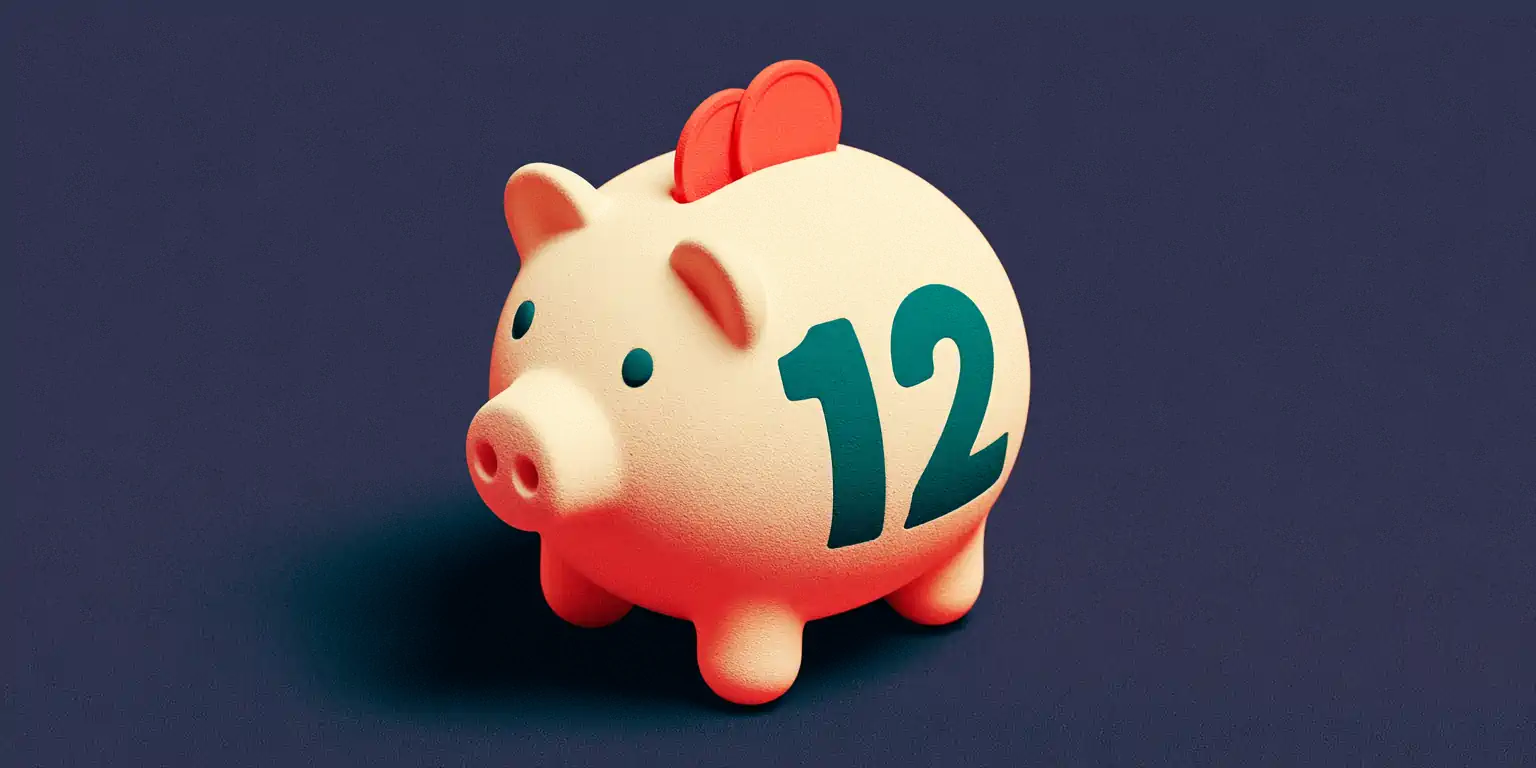
Monthly vs annual plan: annual gives you 2 months free (pay 10, use 12) and neither locks you in. Pick the billing cycle that fits your cash flow.

All-in-One Platform vs Separate Tools: Voice AI, WhatsApp, Booking, and CRM
All-in-one platform vs separate tools: four apps glued with Zapier lose 1 in 7 leads. Compare real cost, seams, and upkeep for your SMB.

AI or a Call Center? You Don't Have to Choose: The Hybrid Model
AI or a call center? You don't have to choose. AI handles the volume 24/7 and a person takes the sensitive calls with context. Here's the hybrid model.
 Book a demo
 by
by  Totem Studio