Connect Meta Lead Ads to Your CRM Without Losing a Single Lead
TL;DR
To connect Meta Lead Ads to your CRM without losing contacts, link your Facebook and Instagram lead forms straight to your lead board — no CSV exports, no brittle Zapier — so every contact lands in seconds and the AI replies instantly, 24/7. That way you stop cooling off leads in the gap between the ad and your follow-up, and stop burning budget on contacts no one reaches in time.
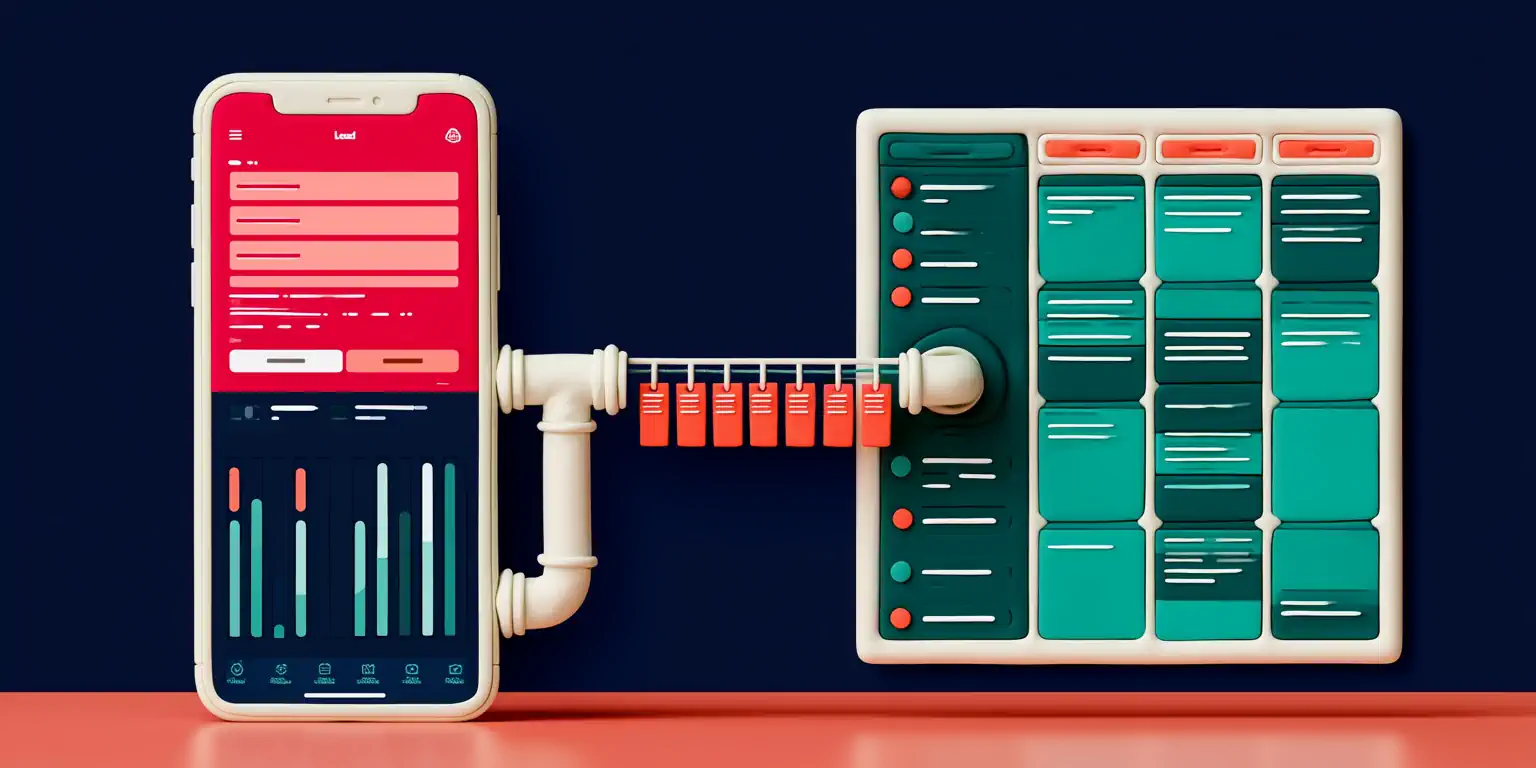
You pay for every lead that comes in from Facebook and Instagram, but a good chunk of that money evaporates in the invisible stretch between the ad and your follow-up. The contact fills out the Meta form, it's saved in a panel almost no one checks, and by the time someone downloads it, moves it into the CRM and calls, the person is already talking to another business. This isn't an ad problem: it's a plumbing problem. The good news is that the whole pipe can be sealed. In this guide you'll see how to connect Meta Lead Ads to your CRM with no code —no CSV exports, no brittle Zapier— so every Facebook and Instagram lead lands on the board in seconds and gets a reply instantly, without a single contact cooling off along the way.
Why Facebook and Instagram leads go cold
Meta's funnel does its job very well: it puts your ad in front of the right person and offers a form they fill out in two taps, without leaving the app. The problem starts right after, when that lead stops being Meta's business and becomes yours.
At most businesses, that handoff is manual and slow. The lead sits in the forms panel or in a CSV someone has to download. Then it has to be copied into the CRM, assigned to a person and, finally, called or messaged. Each of those steps adds minutes —sometimes hours, sometimes a whole weekend— to a contact who arrived with intent at its peak.
And that stretch matters more than it seems, because an online lead's intent expires fast. The MIT study led by James Oldroyd and shared by Harvard Business Review in "The Short Life of Online Sales Leads" found that contacting a lead within the first 5 minutes hugely multiplies your odds of qualifying it versus waiting 30. A Meta lead is no different: someone who fills out a form from Instagram at eleven at night isn't going to wait for you to open the office on Monday.
This hits especially hard in industries that live on Meta for lead gen. We see it every day in med spas whose Instagram and Meta ad leads go cold: beautiful forms, a reasonable cost per lead and, even so, a majority that no one reaches in time.

How to connect Meta Lead Ads to your CRM with no code
The fix isn't hiring someone to babysit Meta's panel, or wiring up a brittle Zapier that breaks on the day the most leads come in. It's connecting the Meta form directly to your CRM once, and from then on having every contact land on its own.
With TotemAI you connect your Facebook and Instagram account, and the leads from your Meta forms land directly on the Kanban-style lead board, nothing to export. They arrive already sorted —which campaign they came from, what they asked for, which column they start in— and ready for the reply to fire off instantly.
The person fills out your Meta form
From a Facebook or Instagram ad, in two taps and without leaving the app. Name, phone, what they need.
The lead lands on the board in seconds
You connect your account once and every contact lands on the Kanban on its own, sorted by campaign and channel. No CSV, no copy-paste, no Zapier.
The AI replies instantly, 24/7
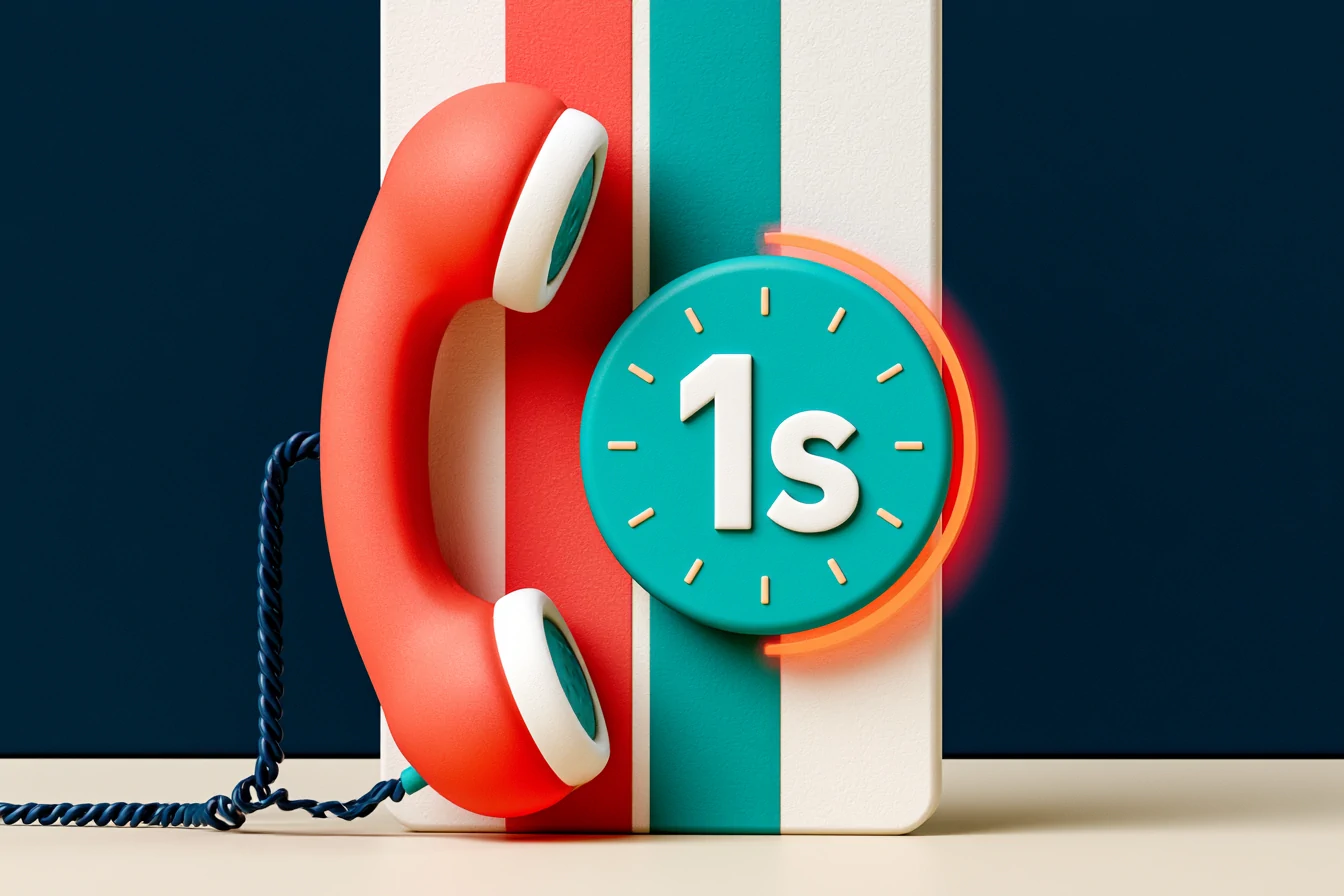
It greets them right away on WhatsApp, Instagram or whichever channel the person uses —and in ~1 second if they call— in their language, day and night. No one is left waiting.
Qualifies and books with no friction
It asks the essentials, tells a curious browser from a ready customer and, if there's intent, books into your calendar based on your real availability.
The AI moves the lead across the board
Depending on how the conversation went, the lead changes column on its own. And the moment human judgment is needed, your team picks up the conversation with the full context in front of them.
What matters about the last step is that the board doesn't sit still. The AI itself moves each lead from one stage to the next based on what happens in the conversation, with no one dragging cards by hand and no glue between tools. We cover how that works in detail in how AI moves leads through the funnel on its own.
Myth
Connecting Meta to my CRM is a technical project that needs a developer.
Reality
You connect your Facebook and Instagram account once and the leads come in on their own. Totem sets it up for you, usually live in 48–72 hours.
Myth
Exporting a CSV every morning is enough.
Reality
A daily CSV is born stale: the 9 p.m. lead is already cold by 9 a.m. The reply has to go out in seconds, not the next day.
Myth
A patched-together Zapier will do.
Reality
Integration chains break exactly when the most leads come in. Here the connection is native and the automatic reply is built in, not held together with tape.
Automatic reply to every Meta lead in seconds
Getting the lead onto the board is half the battle. The other half is replying before the intent cools off. It does no good for the contact to land in one second if it then waits three hours for someone to see it.
That's why the piece that really moves the numbers is the automatic reply. The moment the Meta lead comes in, the AI answers on whichever channel the person prefers —WhatsApp, Instagram, Messenger, text or web chat— right away, and picks up the phone in ~1 second if they'd rather call; it greets them, qualifies and, if there's intent, books. All of that happens day, night and weekend, which is exactly when a lot of social leads come in.
This is the 5-minute rule applied to your ad spend: you don't win by having the best ad, you win by being the first to reply while the person is still thinking about you. Here's what our clients tend to see once the reply stops depending on someone watching their phone:
60%
less response time, according to our clients
+40%
more demos booked, according to our clients
+32%
improvement in campaign ROAS, according to our clients
ROAS goes up for a simple reason: your cost per lead doesn't change, but suddenly you're replying to leads that used to slip away. The same ad spend performs better because no contact reaches a channel without someone —or something— replying to them.
And it's all done transparently: the AI naturally lets people know they're talking to an AI —the disclosure duty the EU AI Act sets out in art. 50.1 (EU Regulation 2024/1689 —the AI Act—, art. 50.1; art. 113)—, which applies to you if you take calls from or handle data of EU residents, and which is simply good practice everywhere the FTC and state law expect honesty about who's on the line. Data is handled to GDPR standards, and, on top of that, there's always the option to talk to a person as a service best practice. One common myth is worth clearing up: no law requires you to keep a human standing by in every support chat —GDPR's "right to human intervention" under art. 22 only kicks in for solely automated decisions with legal or similarly significant effects, and a bot that answers, qualifies or books an appointment normally doesn't make that kind of decision (GDPR art. 22)—. An immediate, honest reply reads as good service; what bothers customers isn't the AI, it's the silence.
You paid for the click. The lead is already yours. The only thing that decides whether it converts is who talks to them first —and you shouldn't show up late to that race because of a CSV.
From click to close: measure your Meta campaigns in one place
When Meta leads land on the same board where the rest of your activity lives, you stop looking at scattered metrics across five different screens and start seeing the whole journey: which campaign the contact came from, what second they were replied to, how the conversation went and whether it ended in an appointment or a sale. Because every lead arrives tagged with its source campaign, you know which Facebook or Instagram ad brings in contacts that actually close, not just the ones that generate cheap forms.
That end-to-end view is what lets you make real decisions about your spend. The dashboard brings together response rate and per-conversation sentiment analytics, so you don't just know how many leads came in, but how many walked away happy and how many moved forward. With that attribution in hand, you can shift budget toward the campaigns that convert best, instead of the ones that only lower your cost per lead. And when you need to find a specific contact, the built-in search pulls it up instantly, no digging.
The essentials on Meta Lead Ads and your CRM
- Your ad budget doesn't burn on the click, but in the invisible stretch between the Meta form and your first reply.
- Connecting Meta Lead Ads to your CRM with no code gets every contact onto the board in seconds, already sorted, with no CSV or Zapier.
- The 24/7 automatic reply applies the 5-minute rule to your ads: the same spend performs better because no lead goes unanswered.
- The AI moves the lead across the board based on the conversation and, when human judgment is needed, your team picks up the conversation with the full context.
- Transparency: disclosing that customers are talking to an AI answers to art. 50.1 of the AI Act; data is handled to GDPR standards, and the option to talk to a person is offered as best practice, not because any law requires a human in every chat.
Once every Meta contact comes in and gets a reply instantly, the natural next step is making sure none of them go cold afterward for lack of follow-up. That's what automated lead follow-up for small business is about: human-feeling cadences that nudge just enough and stop when the person says no.
Your ad already does its part. All it's missing is a leak-free pipe to your follow-up. Totem sets it up for you and it's usually live in 48–72 hours, with no lock-in contract. And you pay a flat monthly plan with minutes and messages included, so you know what it costs you each month.
Official sources
Frequently asked questions
How do I connect Meta Lead Ads to my CRM without coding?
You connect your Facebook and Instagram account once, and the leads from your Meta forms land directly on your lead board — no CSV exports, no hand-built integrations. Each contact arrives already sorted, and the AI replies instantly on whichever channel they prefer.
Why do Facebook and Instagram leads go cold?
Because there's a gap between the ad click and the first reply: the lead sits in Meta's panel, someone has to download it, move it into the CRM and call. By the time that happens, the person is already comparing you with another business. A Meta lead's intent expires in minutes, not hours.
Does the AI reply to Meta leads day and night?
Yes. The AI picks up the phone in ~1 second and replies to your messages —WhatsApp, Instagram, Messenger, text, web chat— right away, 24/7. It qualifies on the spot and, when human judgment is needed, hands the conversation to a person with the lead's full context in front of them.
Do I lose control of my Meta leads' data?
No. Data is handled to GDPR standards, with the safeguards required for any international transfer. The AI naturally discloses that you're talking to an AI —the transparency duty under art. 50.1 of the AI Act (EU Regulation 2024/1689)— and, as a service best practice, there's always the option to talk to a person. You keep control of your contacts in one place.
Is a Zapier or a daily CSV enough to get Meta leads into the CRM?
They half-work. A CSV you download every morning is born stale: the 9 p.m. lead is already cold by 9 a.m. And Zapier chains tend to break exactly when the most leads come in. A native Meta Lead Ads-to-CRM connection drops the contact in in seconds and comes with the automatic reply built in, no integrations to maintain.
How long does it take to connect Meta Lead Ads to Totem?
Totem sets it up for you, and it's usually live in 48–72 hours, with no lock-in contract. You connect your Facebook and Instagram account once and, from then on, every lead from your forms lands on the board on its own.
Related reading

No-Contract AI Receptionist: Cancel Anytime, No Setup Fee, No Risk
A no-contract AI receptionist for small business: cancel anytime, no setup fee, no penalty. Try it risk-free and go live in 48-72 hours.
Your AI receptionist, set up for you in 48–72 hours (done-for-you)
Your AI receptionist, set up for you in 48–72 hours. We build it, you approve it. No setup fee, no long-term contract, nothing technical to touch.
How Much Does an AI Voice Agent Cost in 2026? The Fine Print
How much does an AI voice agent cost? Per-minute vs flat monthly pricing compared, what's really included, and how to avoid black-box billing.

AI Receptionist Cost: It's Less Than One Missed Call a Day
An AI receptionist costs less than one missed call a day. See the ROI math by industry and why the plan pays for itself the first month.
 Book a demo
 by
by  Totem Studio