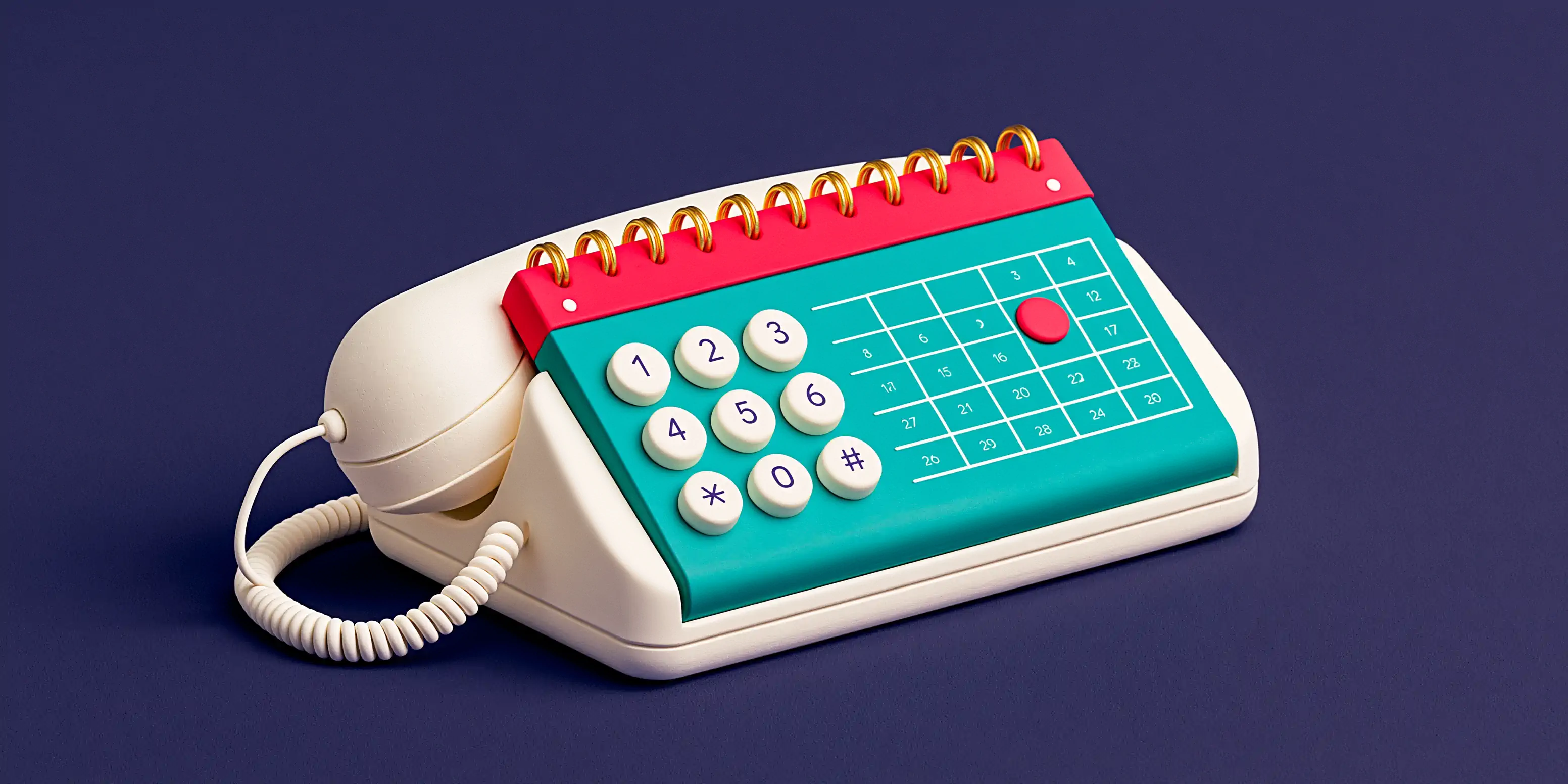
AI Voice Agent With CRM: From Call to Lead, Without Losing One
TL;DR
An AI voice agent with CRM turns every call into a lead on the Kanban board, an appointment on your calendar and a WhatsApp follow-up that starts on its own. Wired into a single platform, the AI moves the lead based on how the call went, with no Zapier and no copying data by hand. A standalone agent answers and hangs up; one with a CRM turns that call into a customer.
An AI voice agent with CRM is what separates a slick demo from a tool that actually moves your business forward. An agent that sounds fantastic but hangs up and does nothing with the call is impressive in a recording —the natural voice, the one-second latency, the way it understands you when you interrupt— but that's within reach of almost any provider today. What decides whether that call turns into a customer or evaporates is what happens after the hangup: whether the lead lands on your board, whether the appointment gets booked on your calendar and whether the WhatsApp follow-up starts on its own. Without that connection to the CRM, the most eloquent agent in the world leaves you exactly halfway.
Standalone voice agent vs voice agent with CRM
Picture two voice agents that sound equally good. You call both, they answer just as fast, they speak just as naturally. The difference isn't something you hear on the phone: it shows up when you hang up.
The first is a standalone agent. It answers the call, replies to the question and hangs up. The information vanishes into thin air. If the caller wanted an appointment, someone will have to call them back later. If it was a hot lead, nobody finds out until —with luck— someone reviews a recording. You've automated the conversation, but not the outcome. And a business doesn't run on conversations: it runs on booked appointments and leads that move forward.
The second is connected to a platform with a CRM. That same call ends up turned into something actionable: a lead on the board, an appointment on the calendar and a follow-up cadence ready to fire. Nobody copies anything by hand. Nobody forgets to return the call because there's nothing to remember: the system already did it.
In 30 seconds
- A great voice is the easy half. The hard part —and what actually converts— is what happens when you hang up.
- A connected agent leaves the lead on the Kanban, the appointment on the calendar and the follow-up ready, without you touching a thing.
- The AI moves the lead based on the outcome of the call, with no Zapier and no integrations that break.
- The cadences sound human and nudge just enough: one "no" ends the sequence.
- With AI transparency: the agent discloses it's an AI (best practice —and the AI Act's art. 50 duty if you serve EU residents), offers a human handoff as good practice, and we host data in the EU.
From call to lead: what the CRM does when you hang up
Here's how an AI voice agent with CRM turns a call into a lead, step by step. Let's follow a single call in the seconds after the person hangs up, with nobody on the team lifting a finger.
The lead is created
The call lands as a card on your Kanban board, with the full transcript, the summary and the sentiment read. No copying names and phone numbers by hand.
The appointment is booked
If there was intent, the appointment gets booked on your Google or Microsoft Calendar based on your real availability, with the confirmation sent instantly.
The reminder is scheduled
The platform schedules the reminder by WhatsApp or voice to cut no-shows, without you having to remember to send it.
The lead moves to its column
Based on how the call went —interested, needs a callback, not a fit— the AI moves the card to the right column. The funnel sorts itself.
The follow-up kicks in
If nothing closed, a human-sounding cadence starts working the lead on WhatsApp. If it closed, you're done. Either way, it never gets left forgotten in the air.
Here's the crux: not one of those five steps depends on a person remembering. And that "remembering" is exactly where customers get lost. The lunchtime call, the 9 p.m. lead, the tenth inquiry on a slammed Monday: all get the same flawless treatment, because the treatment doesn't come from anyone's memory, it comes from the system. If you want to see the board move on its own, we cover it in depth in how the AI moves every lead through the funnel without Zapier.
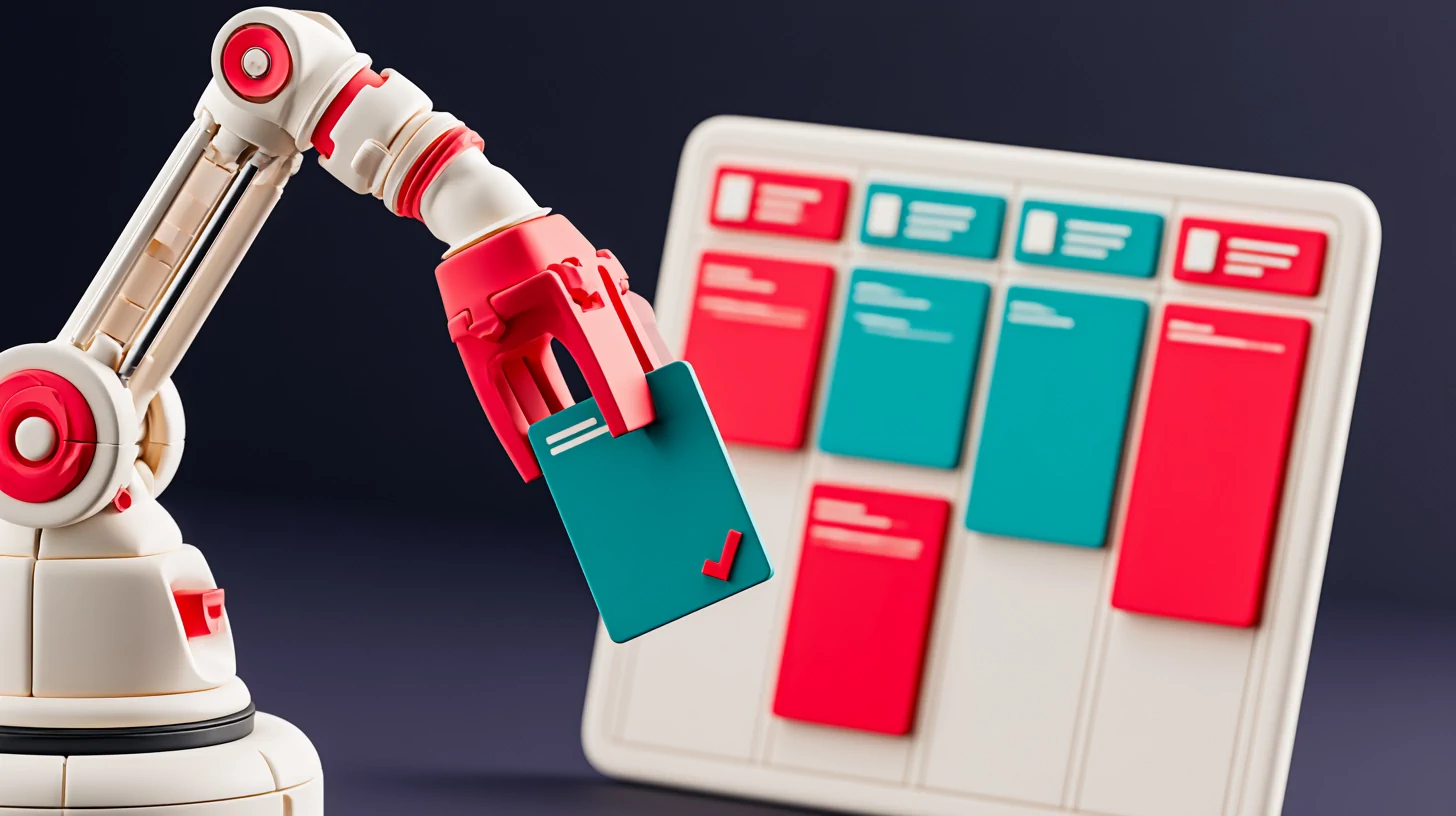
Automatic WhatsApp follow-up: one "no" ends the cadence
"Automatic" tends to scare people because it conjures the barrage of identical messages we've all suffered through. That's not this. A good follow-up cadence is built to sound human: it nudges just enough, on the right channel, in a tone that doesn't come off like a desperate robot.
And it has a brake that few systems truly respect: if the person says no, the sequence stops. A no is a no. There's no sixth "just in case" message, no reminder that arrives after they've already asked you to stop. You accompany the lead as far as they want to go; you don't hound them until they mark you as spam. That difference —nudging with judgment instead of blindly— is what separates follow-up that converts from follow-up that burns your reputation.
Myth
Automatic follow-up ends up being spam that scares people off.
Reality
A human cadence nudges just enough and stops the moment the lead says no. Spam is blasting the same thing to everyone without listening; this is the opposite.
Myth
To connect the call to the CRM and WhatsApp, I need Zapier and a developer.
Reality
The voice agent, the Kanban and the cadences are the same platform. The AI moves the lead on its own, with no middleman integrations to break.
Myth
If I automate, I lose control of the conversation.
Reality
The AI answers first, but your team steps in with one click, the full context in front of them. It's a warm handoff, not a 'start from scratch.'
This matters because most sales don't close on the first contact, and almost nobody perseveres enough: classic sales data suggests that the majority of deals need several follow-ups, while many reps give up after the first or second. A follow-up cadence that never tires and never forgets covers exactly that gap: each lead gets the next message at the right moment, on the channel that responds best —almost always WhatsApp— until they ask to talk, book, or say no. We go deeper into how to build automated lead follow-up for small businesses that lets none go cold.
Voice agent and CRM in a single platform (no Zapier)
This is where most "voice agent + your usual CRM" setups fall apart. For the call to end up moving a card, you normally have to chain tools together: the agent on one side, Zapier or Make in the middle, your CRM on another and a separate integration for WhatsApp. Every link is a point of failure, one more subscription and something that breaks the moment a provider changes its API on some random Tuesday.



In TotemAI there are no links because there's no chain: the voice agent, the Kanban board and the follow-up cadences are the same platform. When the call ends, the AI itself moves the card to the right column based on the outcome —no Zapier, no glue, no developer babysitting the flow so it doesn't fall over. And because everything lives in one place, so does the analytics: you get the transcript, the summary and the sentiment of every call on the same card, so you can see at a glance which ones went well and where a person should step in.

Everything being one platform isn't just convenient: it's what lets the AI decide well where to move the lead. A system that only knows half the conversation can't automate the outcome of a call. That's why a genuinely useful voice agent starts by being connected to the CRM, not by sounding good. If you want to understand how it's trained to also sound like your brand, we cover it in how to train your AI receptionist step by step.
Why an AI voice agent with CRM turns calls into customers
Let's boil it all down to one practical question: what makes you money —the agent sounding spectacular, or the appointment landing on your calendar? The voice opens the door; what closes the sale is the whole chain that comes behind it. That's why we measure an agent's value not by how it talks, but by what it leaves done.
Here's what our clients typically see when calls stop dying at the hangup and start turning into leads, appointments and follow-ups:
+50%
more appointments booked, according to our clients
+40%
more demos booked
−35%
fewer no-shows with reminders
+35%
improvement in close rate
The voice impresses on day one; what changes the business is opening the board in the morning and finding it sorted on its own, with the appointments already booked. The work of returning calls disappears because it's no longer needed.
The math is straightforward. A standalone agent saves you the work of picking up; a connected agent saves you everything else —copying leads, juggling calendars, chasing follow-ups— and, above all, it stops leaking customers through the gaps in your process. That's the difference between automating a task and automating an outcome. And the outcome, in a small business, is the only thing that shows up on the P&L.
A voice agent that hangs up and forgets is a cost with a nice voice. One that turns every call into a lead on the board, an appointment on the calendar and a follow-up that starts on its own is, quite simply, something else: it's the piece that closes the loop between whoever calls you and whoever ends up paying you. If voice is your channel specifically, we break it down in our guide to the AI voice agent for business.
Official sources
Frequently asked questions
What is an AI voice agent with CRM, and how is it different from a regular one?
A standalone agent answers the call and hangs up: the information vanishes into thin air. An AI voice agent with CRM turns that same call into a lead on the board, an appointment on your calendar and a follow-up that starts on its own. Both automate the conversation; only the one connected to a CRM automates the outcome of the call.
How does the voice agent turn a call into a lead automatically?
The moment it hangs up, the call lands as a card on the Kanban with the transcript, the summary and the sentiment read. If there was intent, it books the appointment on your calendar, schedules the WhatsApp reminder and moves the lead to the right column based on the outcome. Nobody copies names or phone numbers by hand.
Do I need Zapier to move leads between stages?
No. In TotemAI the AI itself moves each lead's card across the Kanban columns based on how the call went, with no Zapier and no integrations that break. The board, the follow-up cadences and the voice agent are the same platform.
Doesn't automatic follow-up end up feeling like spam?
Not if it's done right. The cadences are built to sound human and nudge just enough. If the person says no, the sequence stops: one "no" ends the cadence. You accompany the lead, you don't hound them.
Where does an appointment booked on a call end up?
Straight into your Google or Microsoft Calendar, based on your real availability, with its reminder by WhatsApp or voice. There's nothing to copy by hand and no callback needed to confirm.
Related reading

Franchise & Multi-Location CRM: Give Every Branch Its Own WhatsApp and Channels
One CRM for franchises and multi-location businesses: give every branch its own number, WhatsApp and channels while HQ sees the whole group in one view.

AI Receptionist Results for Small Business: +43% Bookings, −62% No-Shows, Double the Sign-Ups (With the Fine Print)
Real AI receptionist results for small business: +43% bookings, -62% no-shows and double the sign-ups, with the fine print on every figure.
AI Agent for Accounting Firms: Answers From Your Own Knowledge (RAG)
An AI agent for accounting firms answers repeat questions from your own knowledge base (RAG), qualifies each case, and books the consultation.

Multilingual AI Customer Service, Without Hiring More People
Multilingual AI customer service replies in each customer's language by voice and chat, 24/7. One team covers every language without extra hires.
 Book a demo
 by
by  Totem Studio